
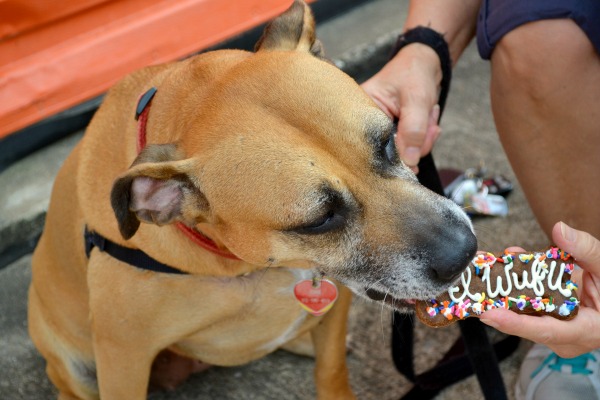
When I first went vegan about six years ago, it didn’t take long at all for me to look at my dogs and wonder “What about them?” I began to do research about what my dogs were eating, which at the time was store bought dog food. I discovered that a lot of the same things that are good for humans are good for our domesticated companions, and that many people make homemade dog food over feeding them processed foods. I also discovered that when I whenever I cooked food for them at home, they wolfed it down faster than the speed of light ⚡️
Once I began working at a no-kill dog shelter, I learned even more about the unhealthy ingredients that make up the main brands of dog food, how many chemicals and additives and fillers are in them, and how some of these dog foods are made. It’s pretty unsavory 😷🙅
I decided to compile some information and ideas about food alternatives for your four-legged friends to keep them healthy and fabulous 🐩👑

WHEN BUYING DOG FOOD
Making homemade dog food is ideal because you know exactly what is going into it, but it’s not realistic for everyone. Just like you should read the ingredients of any processed food you buy at the store for yourself, you should read the ingredients of any food you are giving to your furry friends.
Avoid these ingredients:
- By-product (chicken by-product, beef by-product, etc) – these are the leftover parts of slaughtered animals that are ground up including chicken feet, eyeballs, teeth, bone, and other yucky things that I won’t go into detail on.
- Corn, wheat, and soy – genetically modified and with no real nutrients to your dog, these are filler foods. Plus, many dogs are allergic to these foods.
- Chemical preservatives – these include BHA, BHT, Propyl Gallate, Ethoxyquin, Sodium Nitrite/Nitrate, and TBHQ. These chemicals preserve shelf life, but are known to cause cancer.
- Artificial Colors – they may make the dog food look more appealing but dogs shouldn’t be eating anything artificial, and these are chemicals dyes linked to health concerns and cancer.
- Meat meal, bone meal, and animal fat – see by-product above ☝️
- Powdered cellulose, dried beet pulp, rice hulls – more fillers that have no nutritional value. Think sawdust.
Also stay away from sugar and propylene glycol. Most mainstream dog food brands contain a wide array of these toxic ingredients. Be aware of Science Diet, Purina, Pedigree, Beneful, Eukanuba, Iams, Royal Canin, Ol Roy, Cesar, Kibbles ‘n Bits, Nutro, and many others.
If you feed your dogs these kinds of foods (both dry and wet), you might as well be giving them a burger and fries every meal 🍔🍟
Here are the healthy ingredients to look for:
- Proteins – most if not all of your store bought dog foods will be meat based. In that case, look for a brand where the first ingredient is a whole protein like chicken (or even better, organic chicken!) and not chicken meal or chicken by-product.
- Beans, brown rice, oats – these are the good kinds of carbs and grains, as opposed to fillers like wheat, corn, and soy.
- Vegetables – dogs benefit from veggies too! I love seeing vegetables like carrots, peas, and potatoes on the ingredients list.
- Fruits – even thought fruits are not essential to a dog’s diet, they do contain fiber and they add taste 🍎
- Oils – Look for high quality plant-based oils like olive and coconut. Coconut oil in particular has great health benefits for dogs and also gives them a shiny coat. Also look for brands that contain omega-3 and omega-6 fatty acids.
- Vitamins & minerals – the ingredients list should contain items like Vitamin A, Vitamin E, and Vitamin B (in the form of riboflavin, biotin, beta-carotene, pyridoxine, and thiamin).
- Natural preservatives – rosemary extract, citric acid, and tocopherols (vit E) are safer alternatives to chemicals.
If you come across an ingredient you don’t recognize, google it on your cell phone and find out what it is before you decide to purchase a certain brand.
TIP: Dog food manufacturers are required by federal law to list all of a product’s ingredients in descending order of their pre-cooking weights. That means the first handful of ingredients listed are the most important to consider because they make up the bulk of the dog food.
Some good dog brands include V-Dog (it’s vegan!!), Castor & Pollux, Halo, ACANA, Blue Buffalo, Earthborn, and lots of others. You can probably find one or two high quality dog foods at your local supermarket, but you’ll find the most choices at Petsmart and Petco, and some interesting options at natural foods stores. Google vegan dog food to find all the brands! And yes, most of these brands are more expensive, but your dog is worth it 😘🐶

WHEN MAKING DOG FOOD AT HOME
What if you don’t want to feed your dog meat and you don’t want store bought vegan dog food? Just google vegan dog food recipe and you’ll get plenty of results, including YouTube videos. Making dog food without meat will also be the least expensive of all the options 👍
I like this recipe from the PETA website for Homemade Sweet-Potato Peanut-Butter Vegan-Dog Delight because it includes some of my favorite human foods like brown rice, quinoa, lentils, and sweet potatoes. It also contains supplements like hemp protein, flax seed oil, cranberry extract, a vegan multivitamin powder for dogs, and probiotics.
It’s easy to make recipes in large batches to last for several days and just add in any supplements before feeding.
When I brought Parker home to foster, I did a combination of store bought and homemade food. His meals were about 50% vegan and entirely homemade unless I was in a rush to get to work, in which case I would use high quality non-vegan kibble as the base of his meal. This also helped with any nutrients he was lacking because it contained essential vitamins & minerals. Cooking meals for him was something I really enjoyed doing and now that he’s been adopted it, I miss it.
Every morning I would cook him organic, pasture raised eggs in coconut oil with sauteed veggies, organic rolled oats (dry), and organic canned pumpkin. It was super fast and simple to make and he loved it!
During the day I would give him high quality dog treats from the store, or make him my Homemade Dog Treats that are gluten free and vegan.
For dinner I would give him organic brown rice with frozen organic veggies that I sauteed in coconut oil, and he would get more treats or high quality dental chews before bedtime. Because of all the coconut oil he was getting on a daily basis, he had a beautiful, shiny coat that he got complimented on often 🐕 👏
Just be sure not to give your dog any of the following foods, they are toxic to dogs:
- garlic
- grapes
- avocados
- onion
- raisins
- walnuts
- xylitol (including gum)
- caffeine or alcohol of any kind (including coffee & tea)
- pits/seeds from fruits
- salt
- macadamia nuts
- moldy food
- chocolate
- yeast dough
- stems/leaves from potatoes, tomatoes, rhubarb
- candy
- mustard seeds
Whatever you decide to feed your loyal friend, just make sure it contains wholesome ingredients that will nourish, not harm them. It will keep them healthier in the long run, which means less trips to the vet, costly medical treatments and prescriptions, and most importantly – more time for you both to share your unconditional love with one another 😊
Jillian 💙
P.S. Thanks to Josie, Pretty Girl, and Parker for modeling in my photos 🐕
Sources:
http://www.optimalpetfoods.com/index.php?page=article-whats-really-in-pet-food-ingredients-to-avoid
http://mom.me/pets/dogs/19885-most-important-dog-food-ingredients/
http://www.humanesociety.org/animals/resources/tips/foods_poisonous_to_pets.html
When my furry girl got cancer and the vet gave her 6 months (that was if she did the $500 biweekly chemo sessions), I started cooking her food for her. In just a few days I could definitely tell a difference. Her mood was better, coat was healthier, and she was moving around like she was 10 years younger. And she stayed with me for another 18 months!
That is AWESOME!! I love cooking food for my dogs! And clearly, it makes a huge difference. Well done!