

Seeds are life. Without seeds, we would not have fruits, vegetables, or grains to eat. We would lack the nutrients we need to survive. Our ancestors depended upon seeds, and we still depend upon them today. A 2014 documentary called Open Sesame explores the story of seeds and our connection to them. I watched the film and decided to share my favorite takeaways from it, and how you can make a difference in sustaining the seeds that sustain us!

According to Open Sesame, modern society as we know it would not exist without seed saving because 90% of our calories come from seeds directly or indirectly. For a vegan like me, it comes entirely from seeds. For vegetarians and meat eaters, the animals that are used for meat and dairy consumption feed on grains, which come from seeds. What is seed saving? Basically just what it says, the practice of saving seeds for future use.
So, seeds are pretty important, right?
The problem is, seeds and agriculture have been taken over by big corporations, such as Monsanto, and they are destroying the small commercial farms that put care into preserving seeds and putting out quality products.
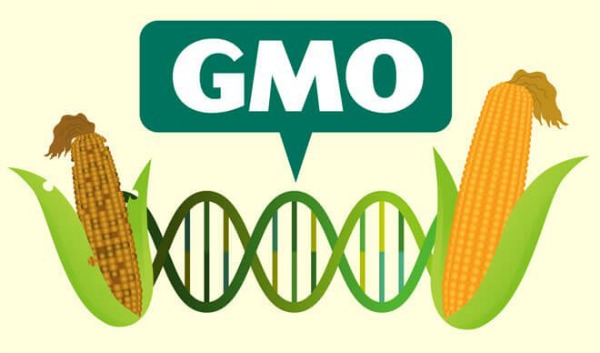
Here’s a little bit of history about how big corporations have taken over the seed industry: From 1819-1924, the U.S. Patent and Trade Office gave out billions of free seeds to promote regional crop diversity. The program ended after facing heavy pressure from the American Seed Trade Association. Now, the U.S. Patent and Trade Office is restricting farmers by allowing corporations to put broad patents on seed varieties that they claim as their own, even if that seed variety has been around for thousands of years.
If farmers want to use those seeds, they essentially have to “lease” it from the corporation that has the patent on it. Today, corporate owned seed accounts for 82% of the worldwide market.
It is estimated that about 20,000 seed companies worldwide have been taken down as a result of big corporations like Monsanto. Every part of the world has unique and diverse seed needs that small companies and farms are providing for. In Europe, all seed varieties must be registered, and they come with high registration fees, which are also pushing the smaller companies out of business that cannot afford these fees. Not only does this mean that small companies are going out of business, but the rare seeds that were being maintained by these small companies are being lost as a result.

Furthermore, high quantities of nitrogen fertilizer and industry-scale hybrid seeds came in at the end of World War II, and we became dependent on chemically produced agriculture. Now, over 5 billion tons of pesticides are used worldwide every year.
Is there a plus side to this monopoly on seed patents? According to Open Sesame, it gives farmers the choice to either try and fight a losing battle against powerful corporations, or get creative and learn how to grow their own seeds that are specific to the needs of their land and region.
It’s a slippery slope, though. Monsanto is suing local farmers for using their seeds, even though the farmers are not technically using them – it is happening as a result of cross-contamination when Monsanto fields are close to other non-Monsanto fields. GMO crop pollen can travel for miles and contaminate organic crops through cross-pollination.
Not only is cross-contamination is a big issue, but the loss of crop diversity is startling. According to the Food and Agriculture Organization, approximately 90% of the crop varieties grown 100 years ago are now extinct. For example, 288 varieties of beets existed in 1901 and only 17 varieties remain today. For lettuce, 497 varieties existed in 1901 and now only 36 remain. For sweet corn, 307 varieties once existed and today only 12 remain. Heritage wheat once had thousands of varieties and today it is nearly extinct.

According to an estimate by the USDA, 94% of soy and 88% of corn in the U.S. are GMO. All of the GMO companies, such as Monsanto, are taking over the seed industry and they are causing a “seed crisis.” The future of seeds is up in the air. Seeds are full of genetically modified chemicals now, and small farmers, who were once the backbone of America, are being destroyed to make way for big corporations to grow our food and turn a profit. One statistic in Open Sesame says that every 30 minutes an Indian farmer commits suicide because the effects on small farmers are so devastating. And a community in Hawaii is getting sick because Monsanto uses a piece of land there to test their GMO seeds, pesticides, and herbicides that are full of chemicals.
Sometimes it is hard to know who to trust. For example, Seminis is the world’s largest fruit and vegetable seed company. It was bought by Monsanto in 2004 for $1.4 billion. Oftentimes, seed companies may seem local or small-scale, but are actually owned by the big corporations. Additionally, GMO foods do not have to be labeled. The best thing you can do is do your research and educate yourself, and have that reflected in what you spend your money on.

It all sounds kind of depressing, I know. But there are things you can do as an individual to have a more positive effect on you, your loved ones, and your community. As I mentioned a moment ago, doing your research on the foods and brands you eat, and who grows and manufactures them. Then, make your food purchasing decisions based on what you have learned. Instead of giving money to companies like Monsanto, give them to smaller or non-GMO companies, or local farmers.
Support organizations who are trying to help farmers, educate people, and conserve seeds because they truly appreciate the importance of seeds. Here are some of the organizations from the documentary that you can look into:
- Seed School in Tuscon, Arizona
- Hudson Valley Seed Library
- Seedbroadcaster in New Mexico
- Seed Savers Exchange (largest non-governmental seed bank in the world)
- The Open Source Seed Initiative
- Organic Seed Alliance
- Native Seeds/SEARCH
- Eat It to Save It
- Brickyard Educational Farm
Finally, you can learn more about Open Sesame and get some helpful resources from them by going to opensesamemovie.com.
Seeds connects us to our roots. They connect us to our ancestors, who depended upon seeds for survival and for their entire livelihood. We owe it to them, ourselves, and our future generations to protect seeds and honor the significance they have and the cycle of life they provide to us.
Jillian
Sources:
Open Sesame: The Story of Seeds, 2014, directed by M. Sean Kaminsky
Photo Credit:
https://en.wikipedia.org/wiki/Seed
Deep dive into the science and history of Monsanto’s glyphosate-based weed killer
https://www.telegraph.co.uk/gardening/11435217/James-Wong-how-to-grow-the-best-tasting-beetroot-ever.html
Fascinating story. I was completely oblivious to the patents on seeds, farmers having to lease for a high price, and that all this has caused a loss in diversity. Yes, rather depressing, but I’d rather be informed than not. Thanks